Menü


Hilton Garden Inn Munich City Centre West, Germany

Landsberger Strasse 112 Munich, Upper Bavaria, Bavaria
Fairmont Golden Prague

Parizska 30 Prague

InterContinental Warsaw by IHG

Emilii Plater 49 Warsaw, Masovian Voivodeship

Hotel Sacher Baden

Helenenstrasse 55 Baden, Lower Austria

4


Introduction

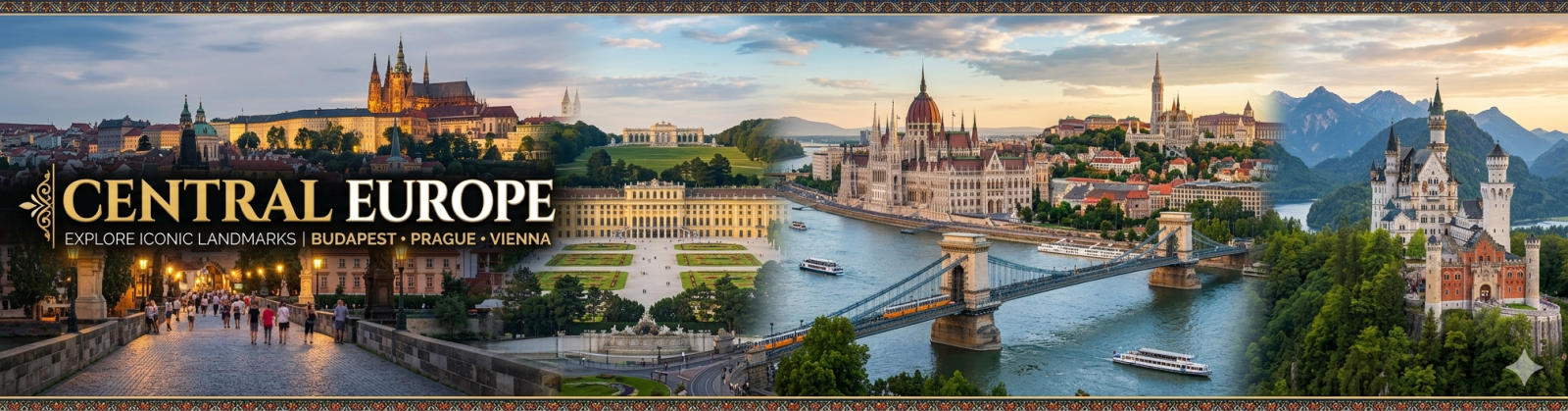
Central Europe is a region rich in history, culture, and natural beauty, typically including countries such as Germany, Austria, Switzerland, Poland, Czech Republic, Hungary, and Slovakia. Known for its fairy-tale cities, medieval castles, alpine landscapes, and vibrant traditions, the region offers a blend of old-world charm and modern sophistication.

Highlights

  • Storybook towns and preserved medieval architecture
  • World-famous music heritage, including composers like Wolfgang Amadeus Mozart
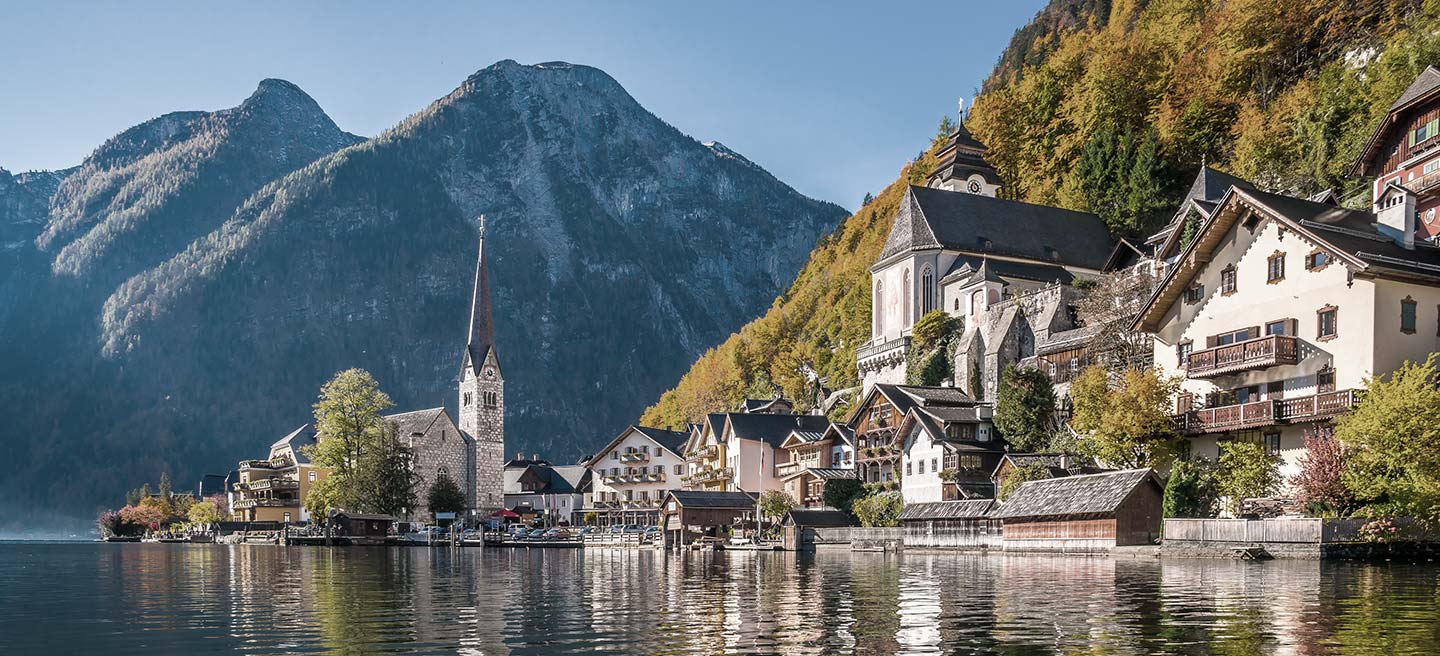
  • Scenic landscapes such as the Alps
  • Rich cultural festivals like Oktoberfest
  • Historic cities with UNESCO-listed sites


Central Europe at a Glance

  • Region: Heart of Europe
  • Languages: German, Polish, Czech, Hungarian, Slovak, and more
  • Currency: Euro (€) in some countries; others use local currencies
  • Climate: Continental (cold winters, warm summers)
  • Best for: History lovers, nature enthusiasts, architecture admirers


When to Visit

  • Spring (April–June): Mild weather, blooming landscapes, fewer crowds
  • Summer (July–August): Peak tourist season, festivals, warm temperatures
  • Autumn (September–October): Colorful foliage, wine harvests
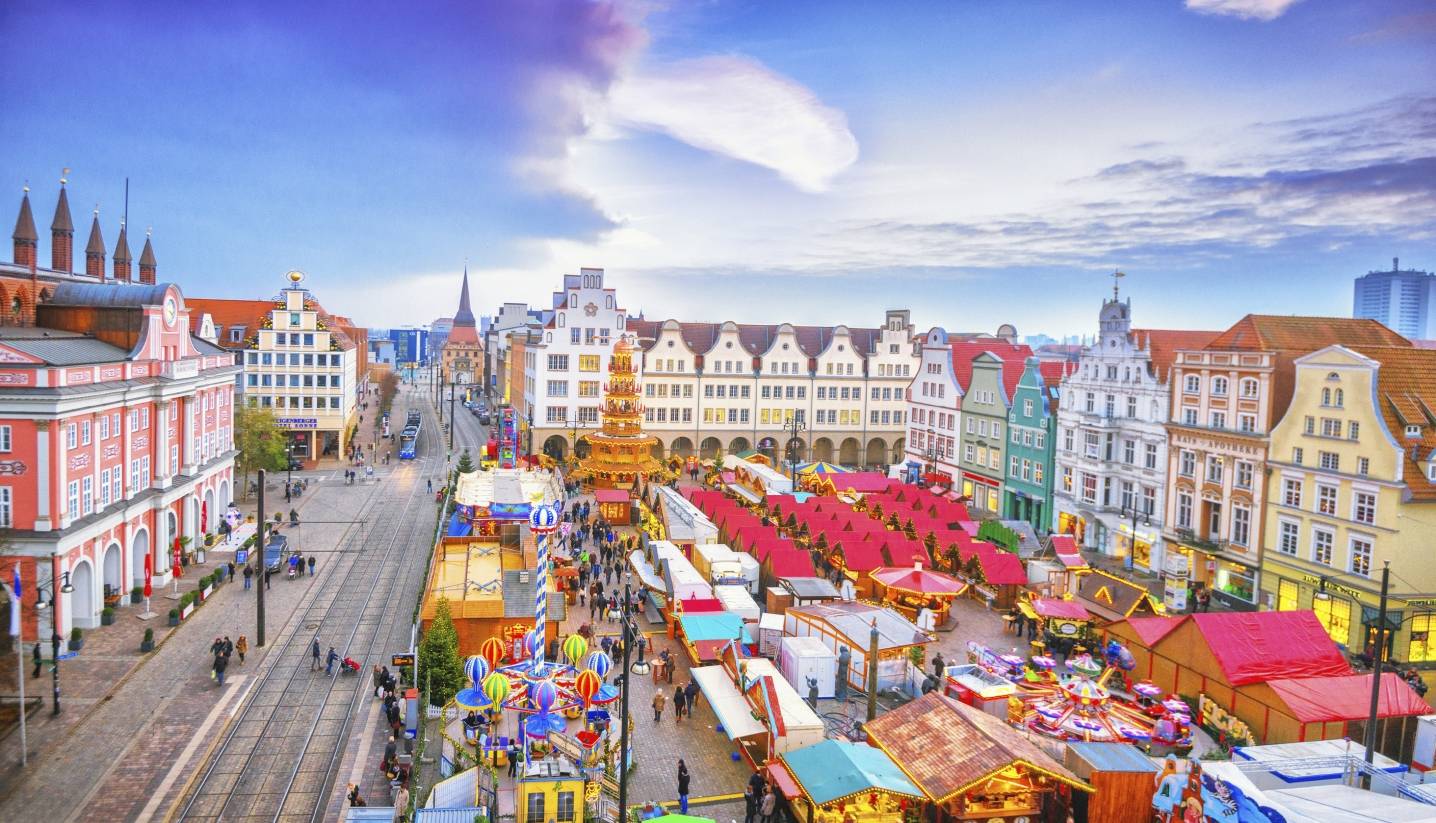
  • Winter (November–March): Snowy charm, Christmas markets, skiing in the Alps


Key Tourist Areas

  • Vienna – Imperial palaces and classical music
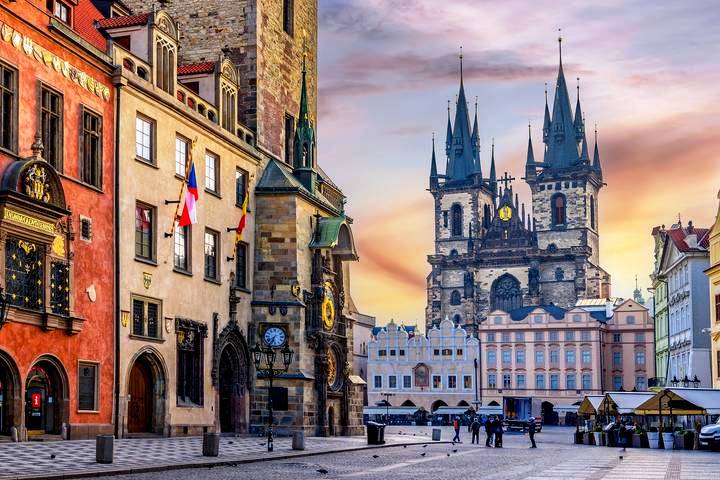
  • Prague – Gothic architecture and historic squares
  • Budapest – Thermal baths and Danube views
  • Munich – Bavarian culture and beer halls
  • Zurich – Lakeside beauty and financial hub
  • Kraków – Medieval core and cultural heritage


Cuisine

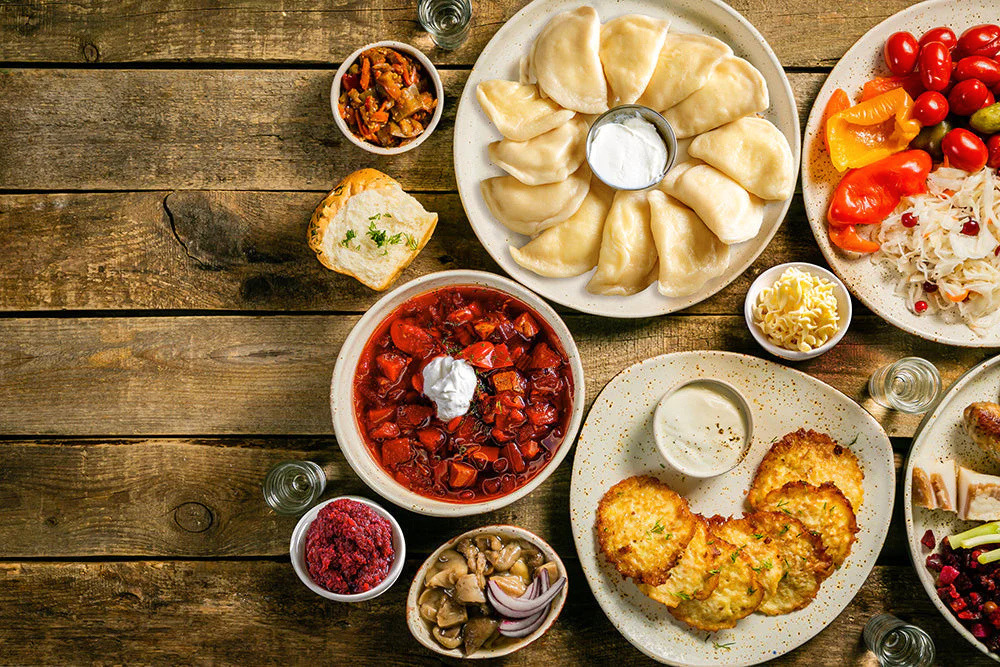
Central European cuisine is hearty and comforting:

  • Schnitzel (Austria)
  • Sausages and pretzels (Germany)
  • Goulash (Hungary)
  • Pierogi dumplings (Poland)
  • Rich pastries like strudel


Meals often feature meat, potatoes, bread, and seasonal vegetables, paired with local beers and wines.


Culture

The region has a deep cultural identity shaped by centuries of art, music, and intellectual movements:
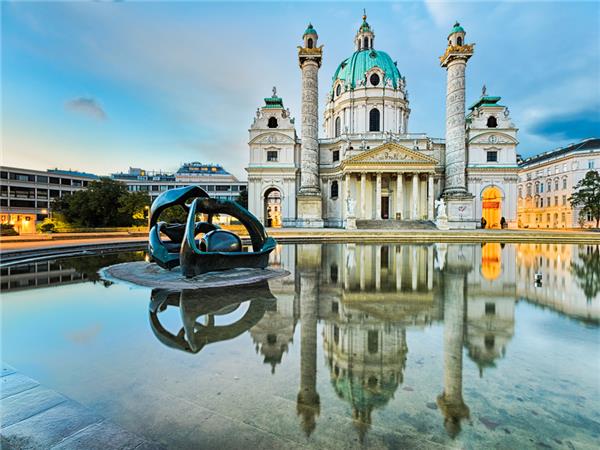
  • Classical music traditions in Vienna
  • Folk dances and costumes in rural areas
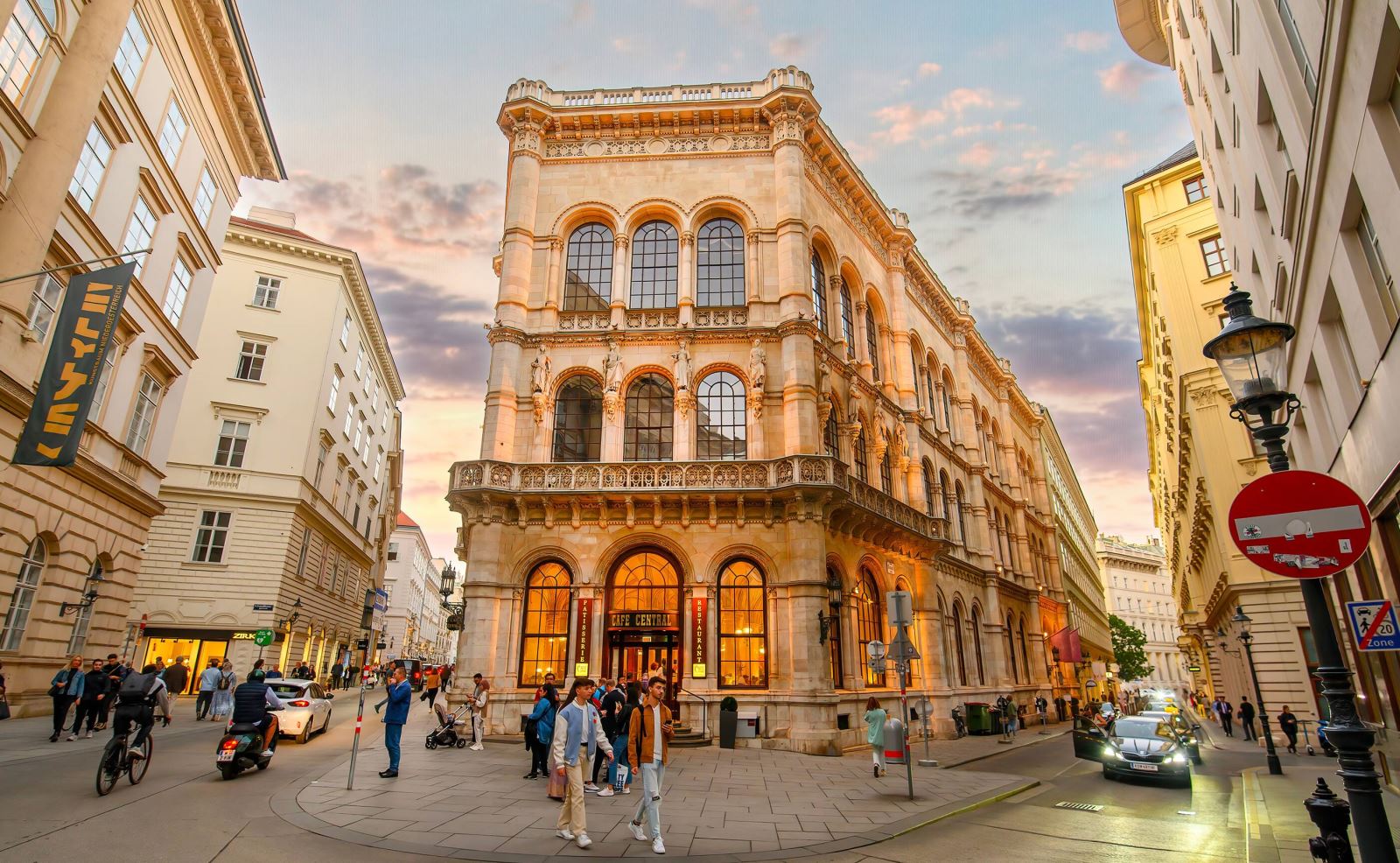
  • Strong café culture, especially in Austria and Hungary
  • Christmas markets and seasonal festivals


Wildlife

Central Europe offers diverse ecosystems:
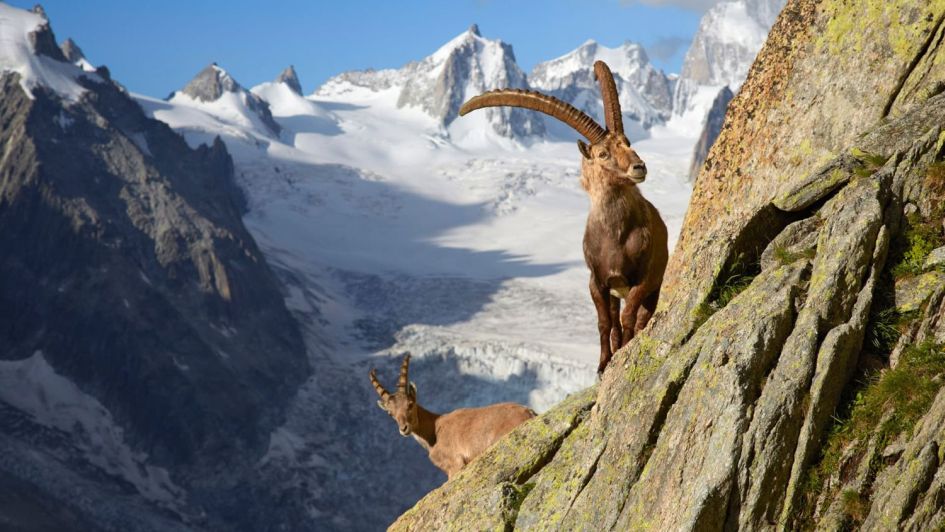
  • Alpine wildlife like ibex and marmots in the Alps
  • Dense forests home to deer, lynx, and wild boar
  • Birdwatching opportunities in wetlands and national parks


History

Central Europe has been a crossroads of empires and ideas:
  • The influence of the Holy Roman Empire
  • The rise and fall of the Austro-Hungarian Empire
  • Major events like World War I and World War II
  • The Cold War divide and the eventual reunification of Europe


Top Attractions

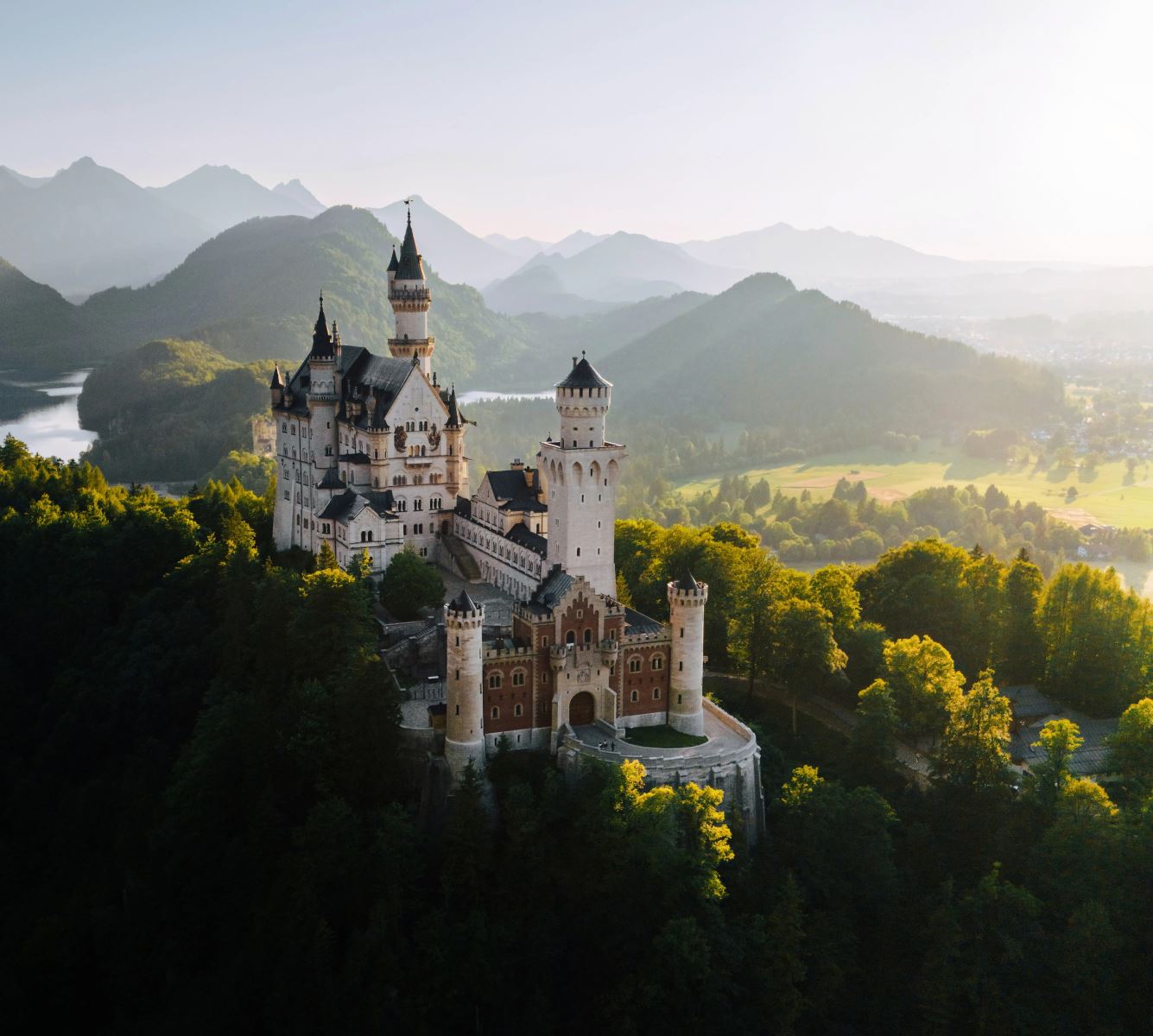
  • Neuschwanstein Castle – A fairy-tale castle in the Bavarian Alps
  • Schönbrunn Palace – Former imperial summer residence
  • Charles Bridge – Iconic medieval bridge
  • Lake Bled – Scenic lake with a charming island church
  • Wawel Castle – Historic royal castle
  • Matterhorn – One of the most famous mountains in the world